
Feature Fellow: Equity & Transformation Chicago
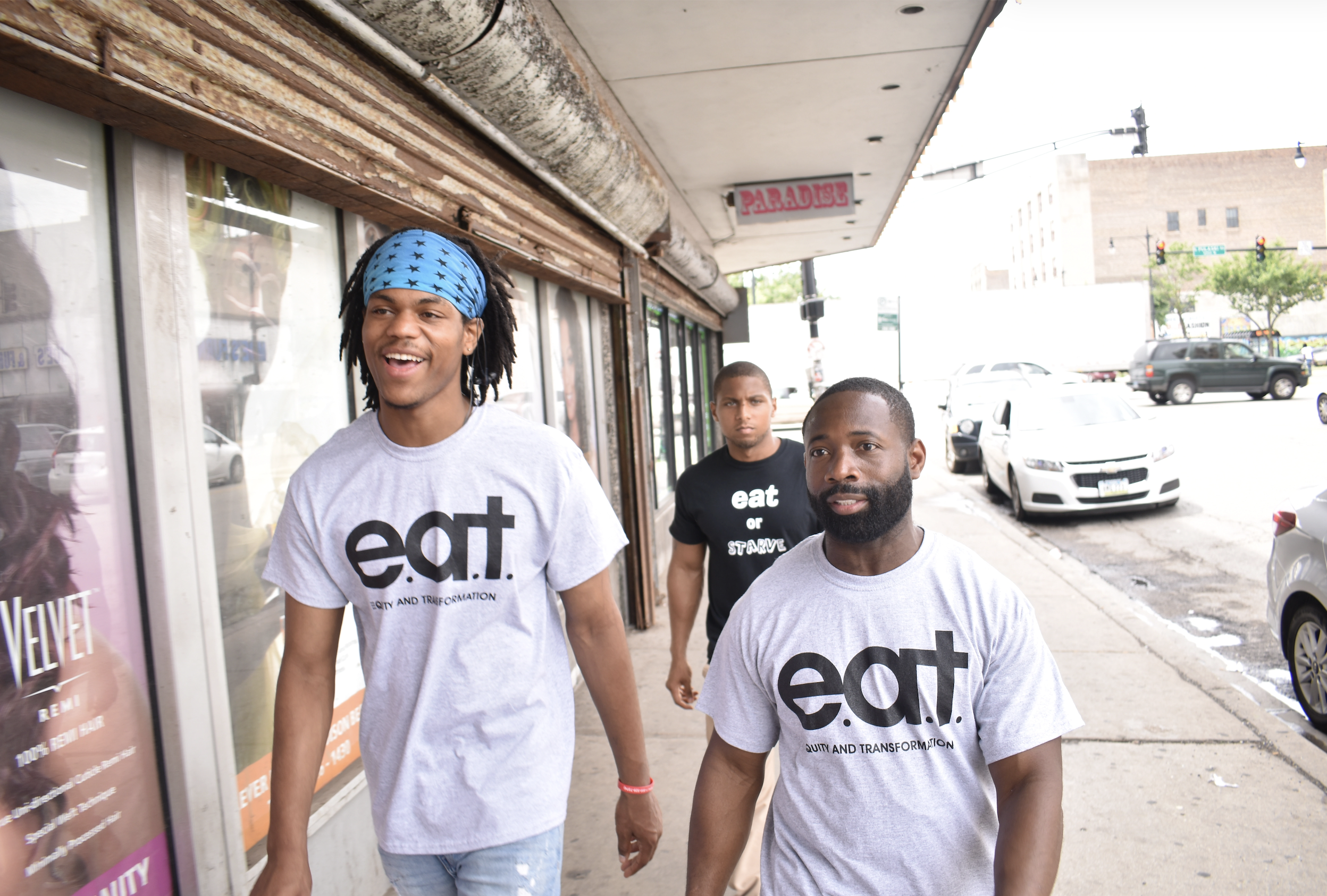
Equity and Transformation (EAT), an organization that builds power for Black workers in the informal economy, fighting economic violence and anti-Black racism.
Based in Chicago, EAT co-hosted an event in May that brought together residents from across the city—alongside the Movement for Black Lives—for a People's Assembly on reparations, asking what healing means for Chicagoans and what real repair would look like in their own communities.
Below you’ll learn about what they’re working on, what they’ve learned, and how they’re practicing repair within their organization and community.
What are you working on right now?
EAT: Right now, our central focus is winning our Drug War Reparations fight in Illinois. We're working to return cannabis tax revenue to the communities that were disproportionately harmed by the war on drugs—repairing, in concrete dollars, the damage done by decades of criminalization.
What have you learned recently?
EAT: Recently, I've learned that policy change is slow, patient work, and the only way to stay true to your commitment through that slowness is to stay anchored to real people. When the timeline drags and the wins feel far off, it's the people you're fighting for who keep you honest and keep you in it.
How are you practicing repair within your organization?
EAT: Our origin story is repair. EAT was founded by and for formerly incarcerated people, and we built it on a simple truth: healing is the first stage of activism. Our slogan says it plainly—healed people heal people, and hurt people hurt people—so the healing has to start now, with us. At EAT, that work lives in our Restore Fellowship: a program centered on Afro re-indigenization, reconnecting Black formerly incarcerated people to their indigenous land, language, and lineage. Before we can repair the world, we're repairing ourselves.
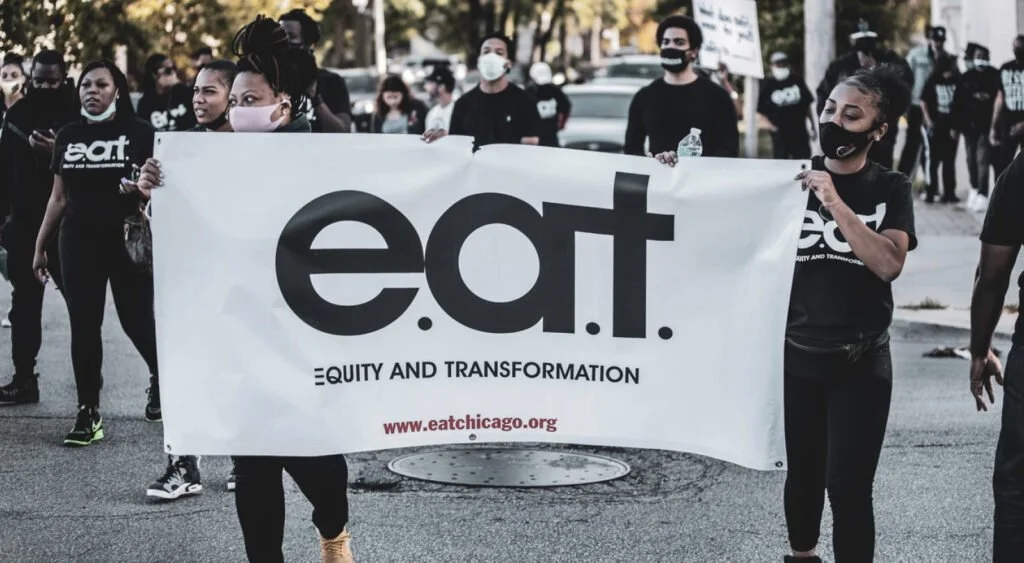
“Our slogan says it plainly—healed people heal people, and hurt people hurt people—so the healing has to start now, with us.”
What future vision of repair are you seeding now?
EAT: We're advancing a reparations framework built on five pillars: rehabilitation, restitution, compensation, guarantees of non-repetition, and satisfaction. It's a vision of repair that doesn't stop at a single payment or policy—it insists on making people whole and making sure the harm is never repeated.
What's coming up next for your organization?
EAT: After we win Drug War Reparations in November, we're boarding a plane to Benin, West Africa, with seven extraordinary formerly incarcerated loved ones—traveling home to reconnect with their indigenous land, language, and lineage. It's the Restore vision made literal: repair that crosses oceans to bring people back to themselves